Mark Carney
Prime Minister of CanadaLiberal Party
Mark Carney is Canada’s 24th Prime Minister and leader of the Liberal Party. Before entering politics, he served as governor of both the Bank of Canada and the Bank of England, earning recognition for his role during the 2008 financial crisis and Brexit. Carney holds degrees from Harvard and Oxford. He is known for his focus on economic stability and climate policy.
(Sources: BBC, NPR)
Doug Ford
Premier of OntarioProgressive Conservative Party
Doug Ford is the Premier of Ontario and leader of the Progressive Conservative Party. First elected in 2018, he has won three consecutive majority governments. Ford previously worked in the family business and served as a Toronto city councillor. His tenure has focused on tax cuts, healthcare reform, and infrastructure.
(Sources: Ontario.ca, Toronto Star)
Mark Sutcliffe
Mayor of Ottawa
Mark Sutcliffe is the mayor of Ottawa, elected in 2022. A lifelong resident, he is an award-winning journalist, entrepreneur, and marathon runner. Sutcliffe is Ottawa’s first mayor from a visible minority background and is recognized for his centrist approach and deep community involvement.
(Sources: City of Ottawa, marksutcliffe.ca, Ottawa Board of Trade)
Provincial Election
Provincial Election
Municipal Election
Most common issues that concern young voters and how each level of government contributes to that issue.
| Issue/Service | Federal/National Government | State/Provincial Government | Local/Municipal Government |
| Climate Change Policy | Sets national environmental laws, international agreements | Implements state/provincial regulations, manages state parks | Local recycling, public transport, city parks |
| Education | Sets broad education standards, funds national programs | Manages public schools, sets curriculum, funds universities | Oversees local schools, after-school programs |
| Mental Health Services | Funds national health initiatives, research | Regulates state/provincial health services, funds clinics | Provides community mental health centers |
| Voting Rights | Sets national voting age, federal election laws | Manages state/provincial elections, voter registration | Organizes local polling stations |
| Public Transportation | Funds national infrastructure projects | Oversees state/provincial transit systems | Runs city buses, subways, bike lanes |
| Policing and Public Safety | Sets national crime laws, federal policing agencies | Oversees state/provincial police | Manages city police, local safety programs |
| Minimum Wage | Sets federal minimum wage (if applicable) | Can set higher state/provincial minimum wage | May set living wage policies for city contracts |
| LGBTQ+ Rights | Passes national anti-discrimination laws | Enacts state/provincial protections | Supports local LGBTQ+ centers, events |
| Affordable Housing | Funds national housing programs, sets housing policy | Regulates state/provincial housing authorities | Manages public housing, zoning, local initiatives |
| Internet Access & Digital Equity | Invests in national broadband infrastructure | Expands state/provincial internet access programs | Provides public Wi-Fi, supports digital literacy in libraries |
| Youth Employment Programs | Funds national job training and youth employment initiatives | Runs state/provincial job programs, internships | Offers local job fairs, summer employment for youth |
| Public Health (e.g., Vaccinations) | Sets national health guidelines, funds research | Implements state/provincial health campaigns, manages distribution | Runs local clinics, school-based health programs |
*all this information is taken directly from their respective party’s website*
“Being part of a caucus was probably the coolest experience of my life. I got to experience how parties work and how they market and also used my talents to support a party that uplifts my values”
-Anonymous, 2025
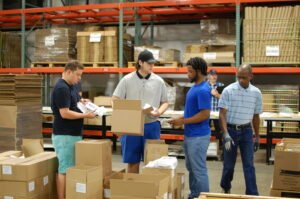
Volunteer with Caucuses
Most political parties and candidates welcome volunteers, regardless of age. You can help with canvassing, phone banking, distributing flyers, or managing social media. This is a hands-on way to learn about the electoral process and the issues
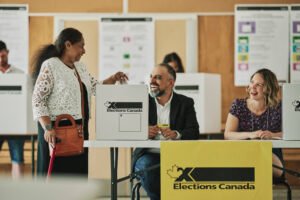
Work at Election Polling Stations
Many regions allow high school students to serve as poll workers or election assistants. This role involves helping set up polling stations, checking in voters, and ensuring the process runs smoothly. It’s a unique opportunity to see democracy in action.

Join Civic Organizations
Look for local youth councils, student government, or civic engagement groups. These organizations often run voter registration drives, host debates, and organize educational events about elections and government.